Separate connection requirements from policy announcements
Check network documentation for the proposed connection. Treat announced policy changes separately from the requirements already applying to a project.
A decision path for WA businesses assessing load, site constraints, network connection and the commercial basis of a solar project.
Customers, Industry, Partners
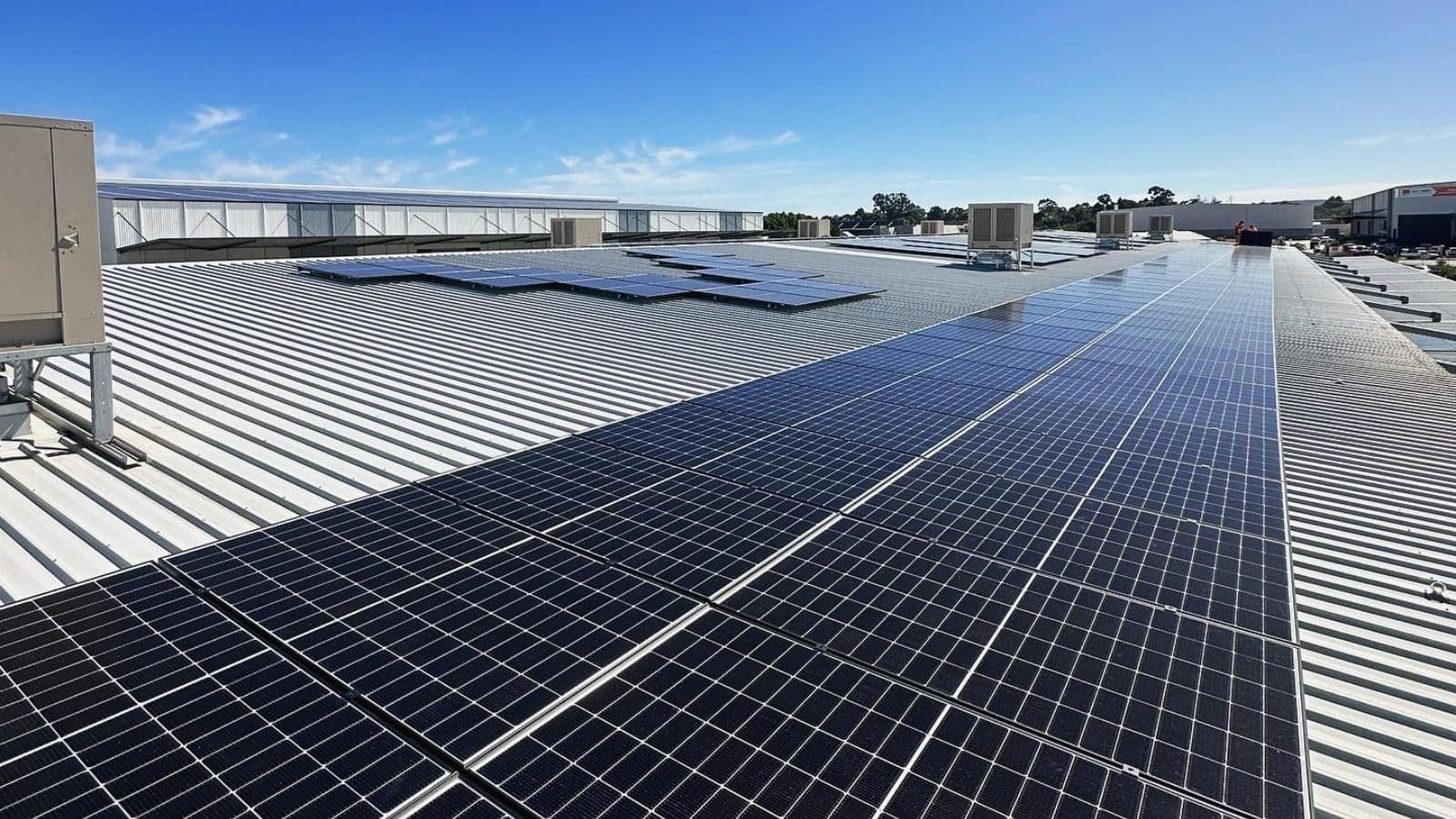
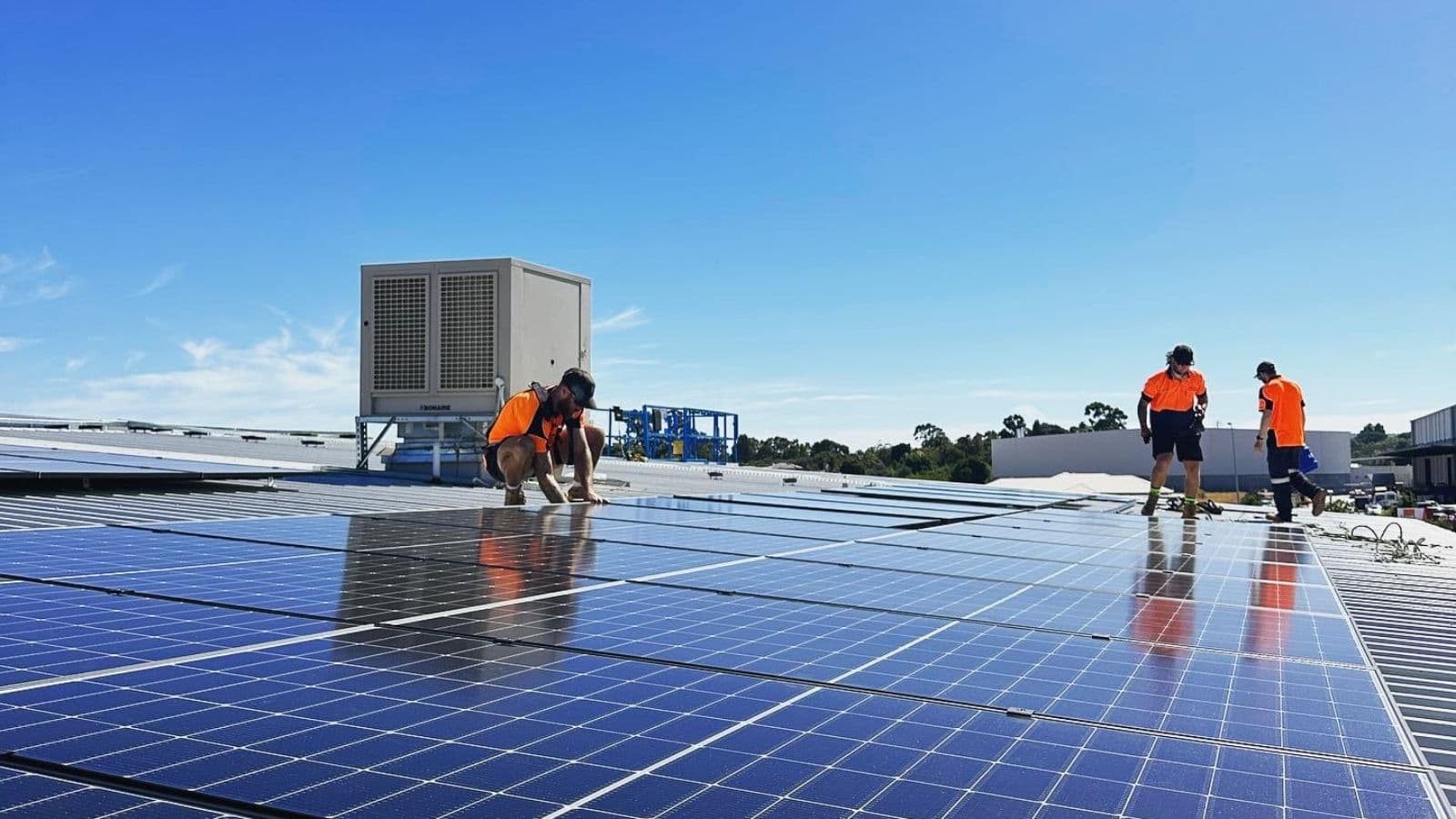
Commercial solar should be scoped as an energy and connection project, not only an equipment purchase. Interval demand, operating hours, roof and switchboard constraints, network hosting capacity, export conditions and the status of any announced incentive all affect the viable design.
Use recent interval data, operating hours, seasonal demand and planned loads to distinguish useful on-site generation from unmanaged export.
Review roof condition and access, structural capacity, switchboards, metering, phases, fire and maintenance access, and the route to the point of connection.
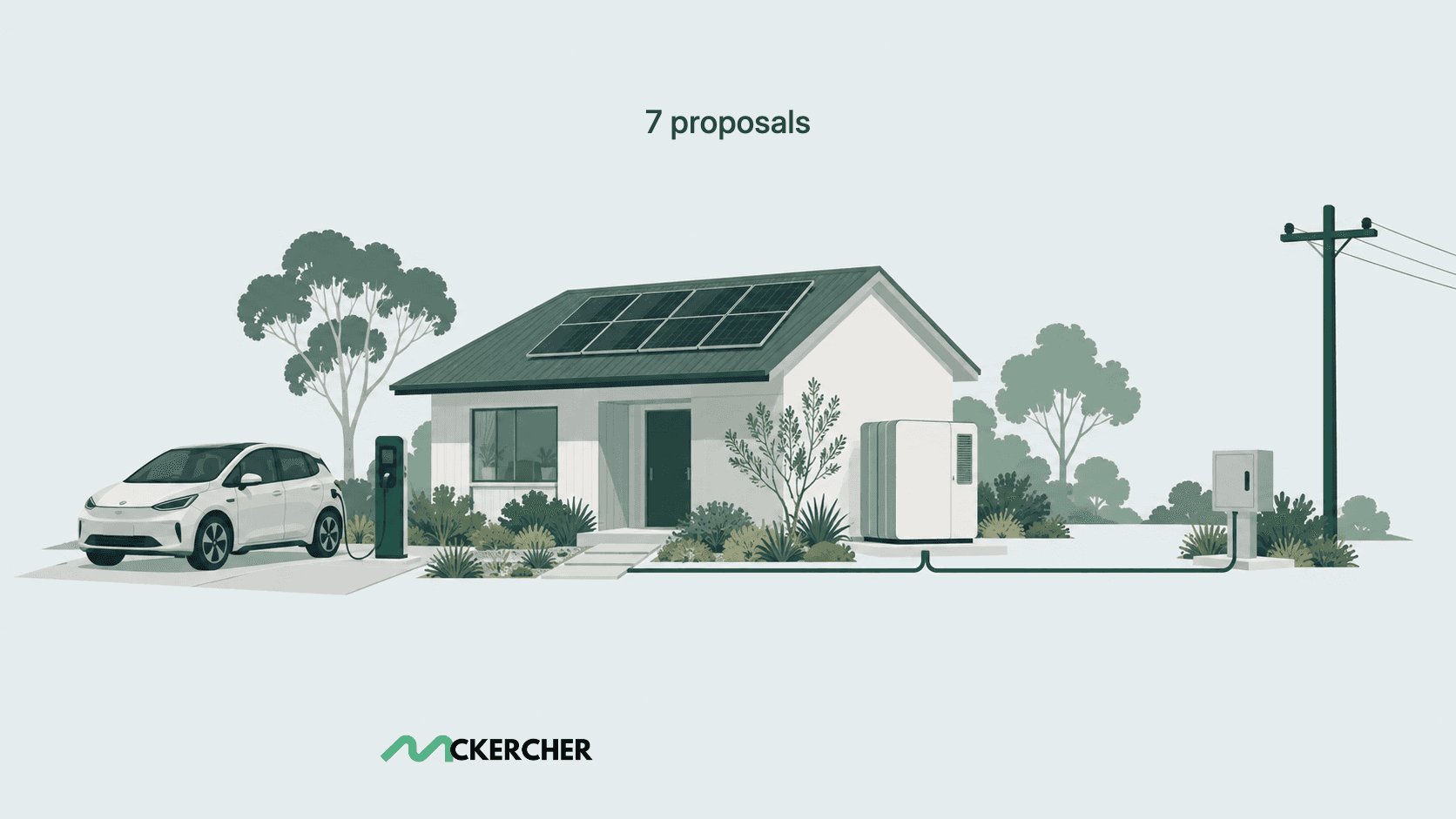
System size, export intent and site characteristics determine the information and technical review required by Western Power. Approval should not be assumed from array capacity alone.
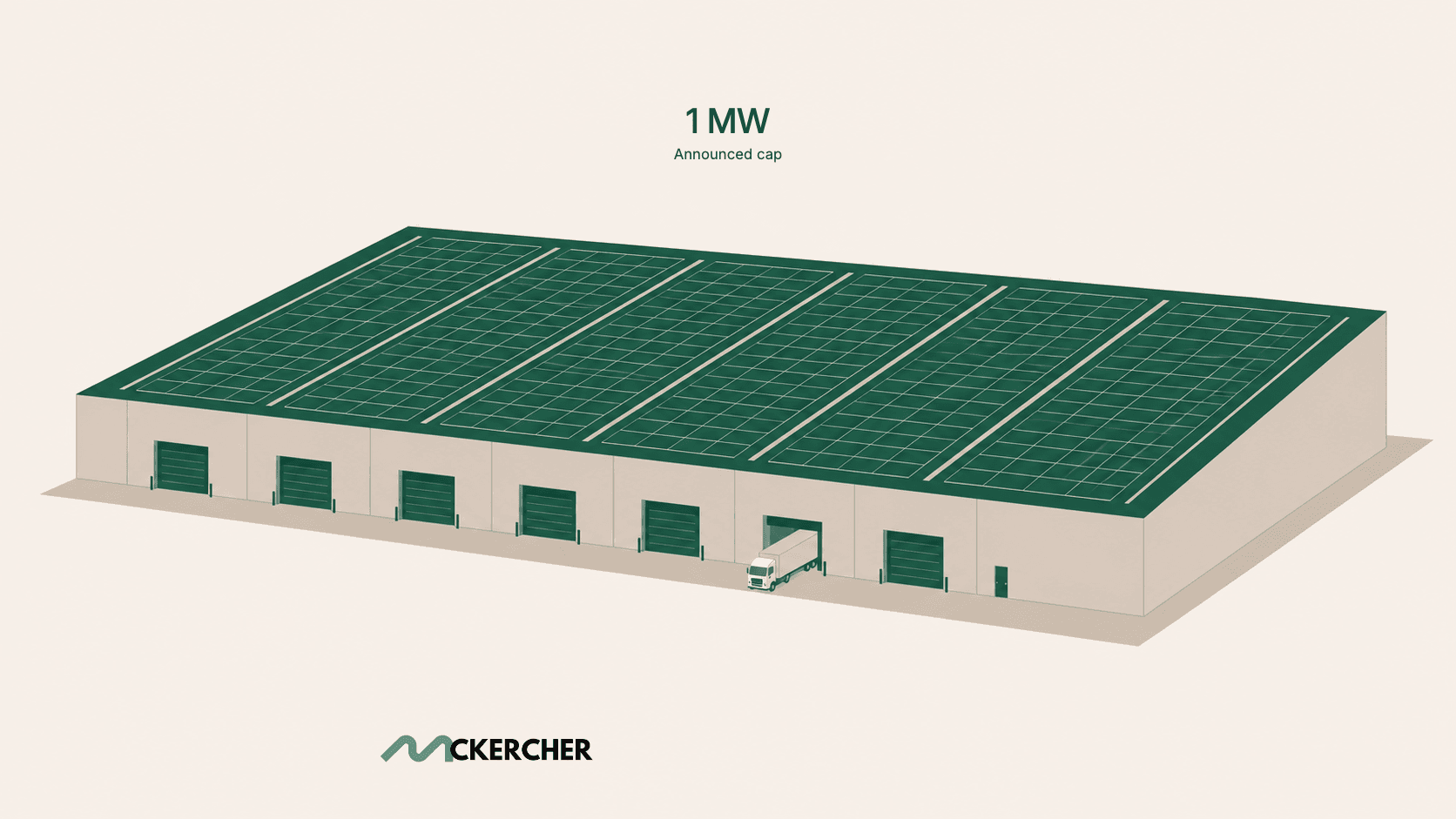
The mid-scale expansion of the Small-scale Renewable Energy Scheme is made and applies to systems installed from 1 October 2026. Certificate applications are expected to open later, so eligibility and lodgement should be stated separately in a proposal.
State tariff, load, generation, degradation, curtailment, maintenance, financing and certificate assumptions so the business case can be tested.
Retain design inputs, connection correspondence, approvals, certificates, commissioning results and asset information for operations and future changes.
Check network documentation for the proposed connection. Treat announced policy changes separately from the requirements already applying to a project.
No. Certificate eligibility and network connection are separate. Western Power assesses the proposed connection and may apply technical or export conditions.
The Renewable Energy (Electricity) Amendment (Mid-scale Solar) Regulations 2026 are made and apply to systems installed from 1 October 2026. The Clean Energy Regulator expects certificate applications to open in mid to late November 2026, and further guidance on related devices, extensions and documentation is still to be published.
Not by itself. Interval demand, network limits, operating hours, future electrification and the commercial assumptions should shape capacity before unused roof area is treated as the target.
Early in feasibility. A project can be technically sound behind the meter while facing export, data or approval constraints at the network connection.
Contact McKercher with recent interval demand data, site constraints and the expected system capacity under consideration.
Contact McKercher to identify the appropriate group business for a commercial solar or distributed energy enquiry.
Discuss a commercial energy requirementFeasibility and connection reporting come first, followed by policy settings and the wider business context.