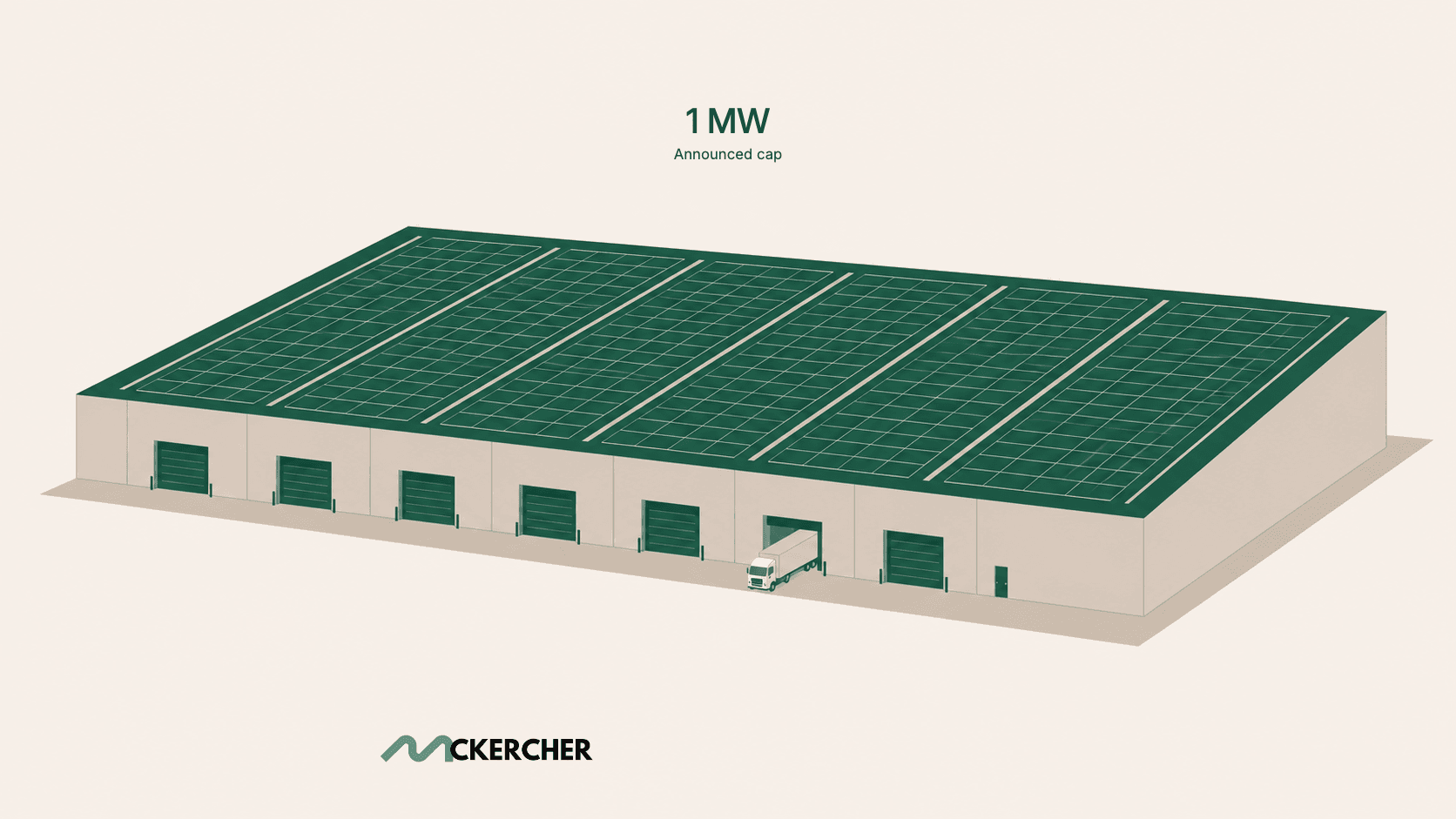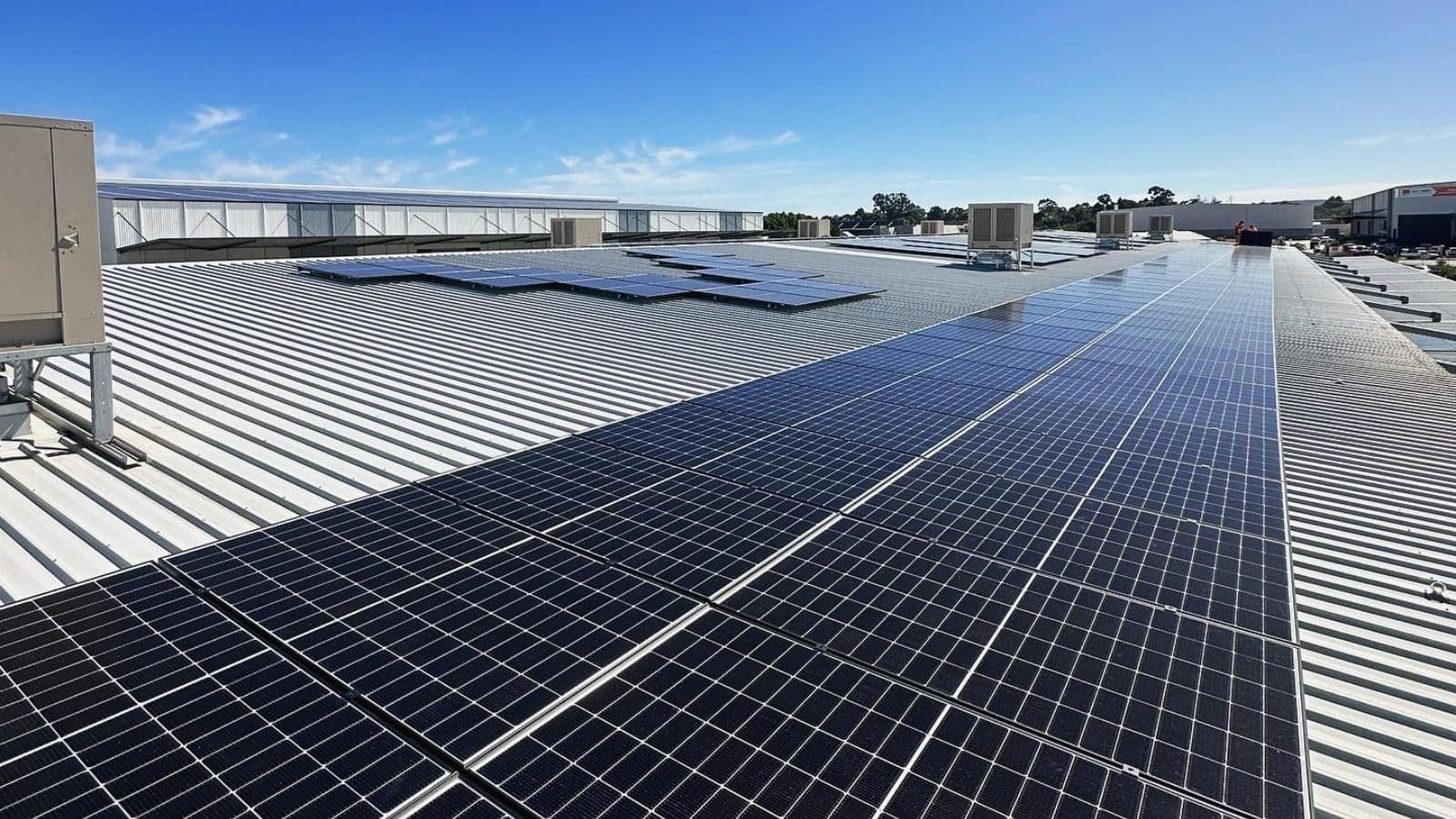
The Clean Energy Regulator confirmed on 17 September 2026 that the regulations expanding the Small-scale Renewable Energy Scheme to mid-scale solar have been made. The Renewable Energy (Electricity) Amendment (Mid-scale Solar) Regulations 2026 lift the maximum system size eligible for small-scale technology certificates from 100 kW to 1 MW, and apply to systems installed from 1 October 2026.
The regulation resolves the condition attached to the August announcement. Installation eligibility begins on 1 October; the application process follows later.
Installation and application dates
| Milestone | Position reported by the regulator |
|---|---|
| Installation eligibility | From 1 October 2026 |
| Certificate applications | Expected to open in mid to late November 2026; not a fixed date |
An eligible October installation may therefore wait several weeks before an application can be lodged. Quotes should state who bears certificate-price changes during that period. A September installation falls before the new eligibility date.
Five-year deeming period
Mid-scale solar uses a fixed five-year deeming period each year to 2030. A 400 kW system installed in 2029 therefore uses the same five-year basis as one installed in 2026.
This differs from systems below 100 kW, whose deeming period reduces annually as the scheme approaches 2030.
Certificate pathways
A participant elects between the Small-scale Renewable Energy Scheme and the Renewable Electricity Guarantee of Origin scheme before applying. Electing small-scale certificates may preclude creating large-scale generation certificates or Guarantee of Origin certificates over the deeming period.
Discuss the certificate pathway before issuing a proposal, particularly where a customer has renewable-electricity reporting obligations or an existing large-scale certificate arrangement.
Existing eligibility requirements and processes under the scheme continue to apply, and the arrangements for systems smaller than 100 kW are unchanged.
WA connection limits
Certificate eligibility and network connection are separate assessments.
A system in this band on the SWIS needs Western Power connection approval. That assessment determines export conditions and timing; the federal certificate expansion does not change it.
The connection half of the question sits with Energy Policy WA, and the record of that work is in WA Government Opens Consultation on Solar, Battery and EV Charger Connections. The maintained commercial solar and network connection guide sets out the load, connection and evidence checks that should precede a proposal in this band.
Customer proposals
State the installation eligibility date, expected application timing and party carrying certificate-price risk. Keep network approval as a separate condition, and confirm outstanding regulator guidance before contracting.
Current-status note
This article was reviewed on 21 September 2026. The application opening date, the treatment of related devices, extensions and upgrades, and the documentation requirements were not settled when the article was reviewed. Before designing, quoting or contracting a system above 100 kW, confirm the current scheme guidance with the Clean Energy Regulator (opens in a new tab) and obtain the applicable network connection advice. Related controlled context is available in the WA solar and battery compliance centre and the editorial standards.
Sources: Clean Energy Regulator, Mid-scale solar now legislated, 17 September 2026 (opens in a new tab); Clean Energy Regulator, Mid-scale solar (opens in a new tab); Department of Climate Change, Energy, the Environment and Water, Renewable Energy Target scheme (opens in a new tab); Clean Energy Regulator, Expansion of solar photovoltaic (PV) eligibility under the Small-scale Renewable Energy Scheme, August 2026 (opens in a new tab).