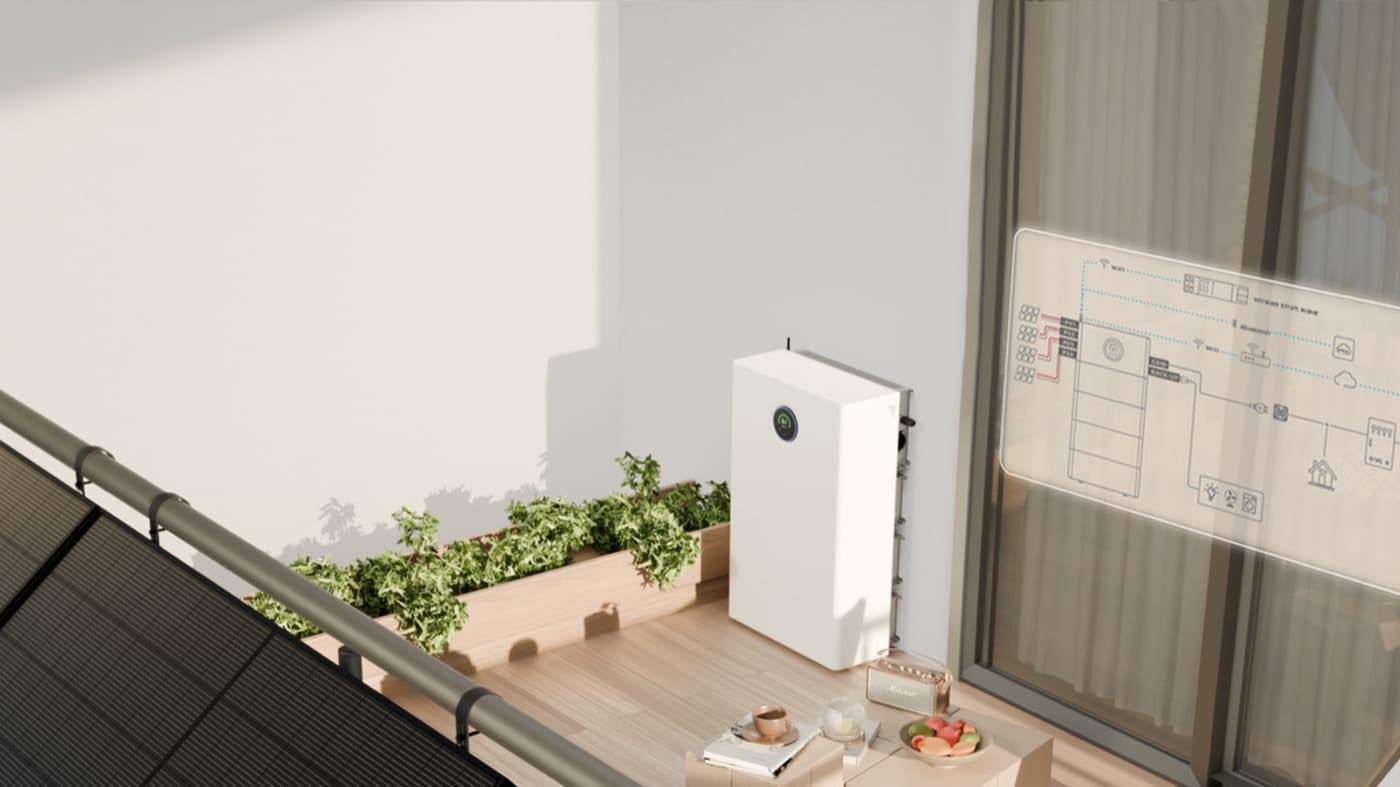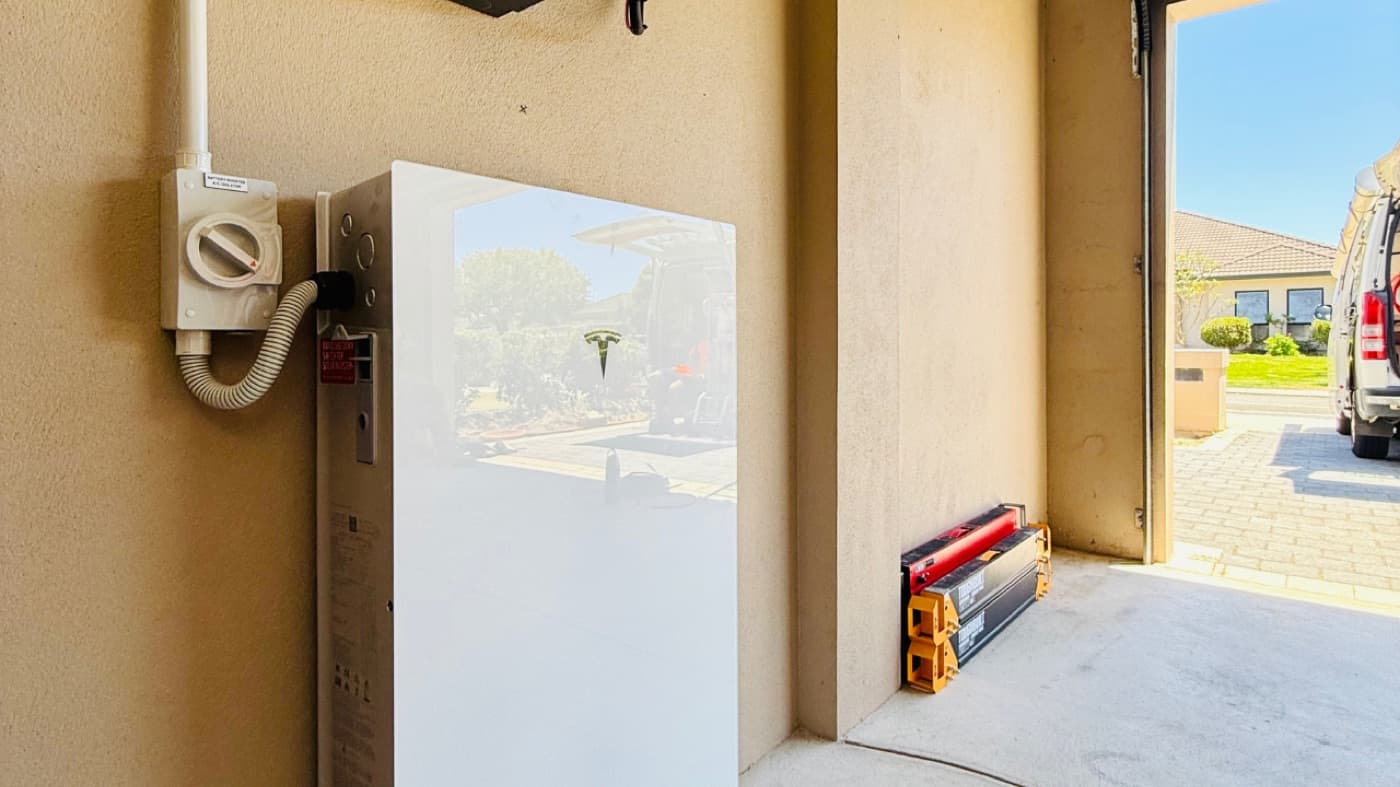
Small-scale solar and battery systems in the South West Interconnected System have operated under new requirements since 1 May 2026. The rules apply to new installations and to upgrades on standard small-use connections.
Existing systems do not have to change simply because the rules commenced. Upgrades are different. When an existing system is upgraded, the proposed work should be assessed against the requirements applying to the new configuration.
Core requirements cover capacity, remote management and inverter configuration
A standard connection carries up to 30 kVA of aggregate inverter capacity
A standard connection can carry up to 30 kVA of aggregate inverter capacity. The total counts every inverter at the site: solar PV, batteries and any other inverter-based generation.
Above 30 kVA, the applicable connection application and assessment process still applies.
Remote management is required, or export drops to 1.5 kW
New and upgraded systems must support remote disconnection and reconnection by the customer's electricity retailer. A system that cannot must be export-limited to 1.5 kW.
Configuring that functionality at commissioning falls to the installer. Product capability alone does not confirm that the installed system has been correctly registered and configured.
Inverters must meet AS/NZS 4777.2:2020 on the Region B setting
Inverters must comply with AS/NZS 4777.2:2020 and be configured to the Australia Region B setting. Design and commissioning should work from the current Australian Standard, the network documentation and the manufacturer's instructions. This article does not reproduce controlled standards content.
Standard small-use connections in the SWIS are in scope
The requirements apply to standard small-use connections in the South West Interconnected System, including:
- new solar installations
- new battery installations
- solar or battery additions
- inverter replacements or upgrades that change the connected system
Horizon Power service areas run on different technical requirements. The controlling network and electricity retailer should be identified before equipment is selected.
The statewide rules mandate an outcome, not CSIP-AUS
The WA Government's requirements do not mandate CSIP-AUS for every system. They establish the remote management outcome and leave the implementation to retailers and networks, which can use specific processes of their own.
Synergy uses its Distributed Energy Resources Functionality Requirements and installation handbook for systems in its service area. Installers should follow the current retailer process rather than assume that general protocol support completes commissioning.
An upgrade assessment starts with six records
For an existing solar or battery property, record:
- all existing inverter capacity at the connection point
- the grid connection type and current export setting
- existing device models, firmware and communications equipment
- the proposed aggregate capacity after the work
- remote management and retailer registration requirements
- any effect on battery scheme or certificate eligibility
The battery retrofit guide sets out the wider system-assessment sequence. The WA compliance centre groups the related licensing, testing, evidence and scheme references.
Primary references
- WA Government industry guidance for small-scale solar and battery systems (opens in a new tab)
- WA Government information for consumers (opens in a new tab)
- Western Power Basic Embedded Generator Connection Technical Requirements (opens in a new tab)
Connection and retailer documents can change. The versions current for the property and the installation date should be checked before design approval and commissioning.