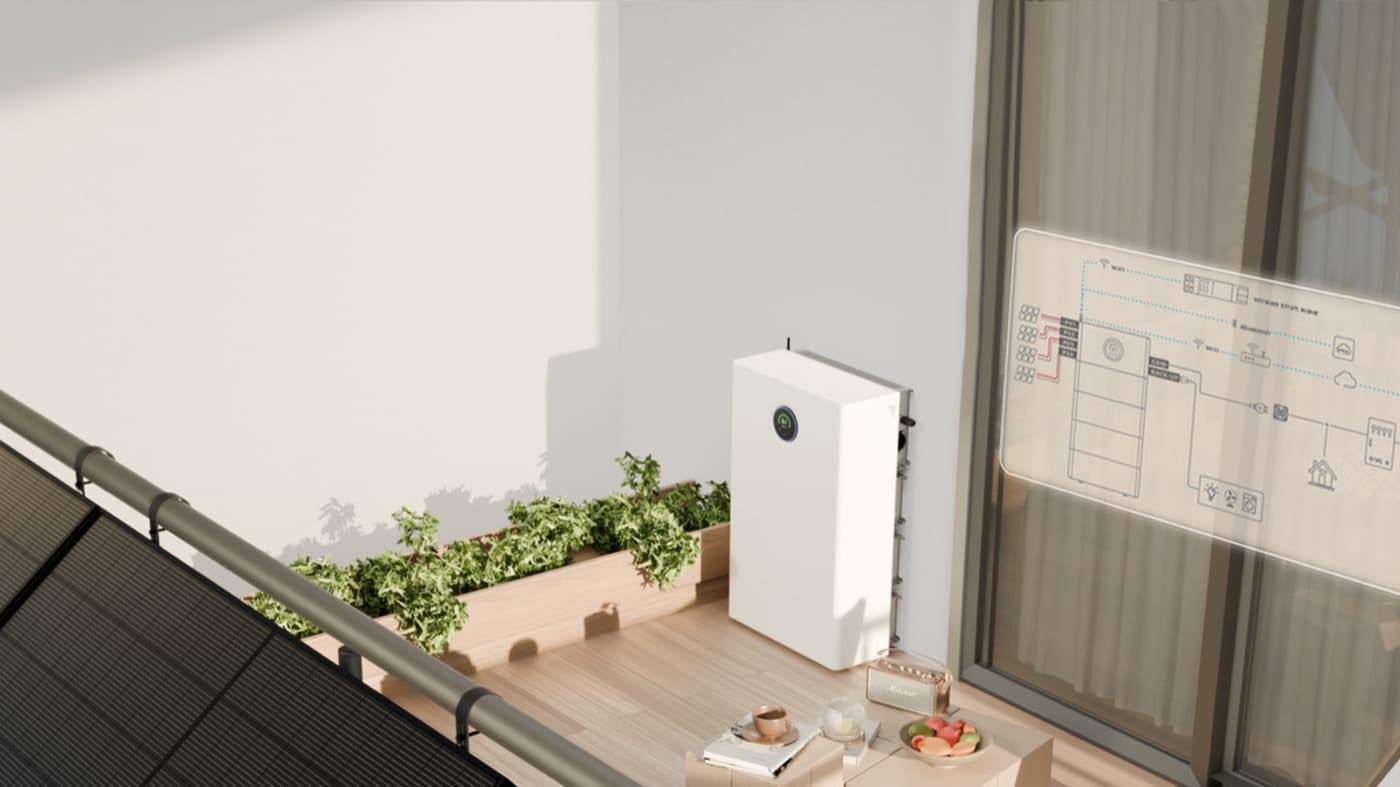
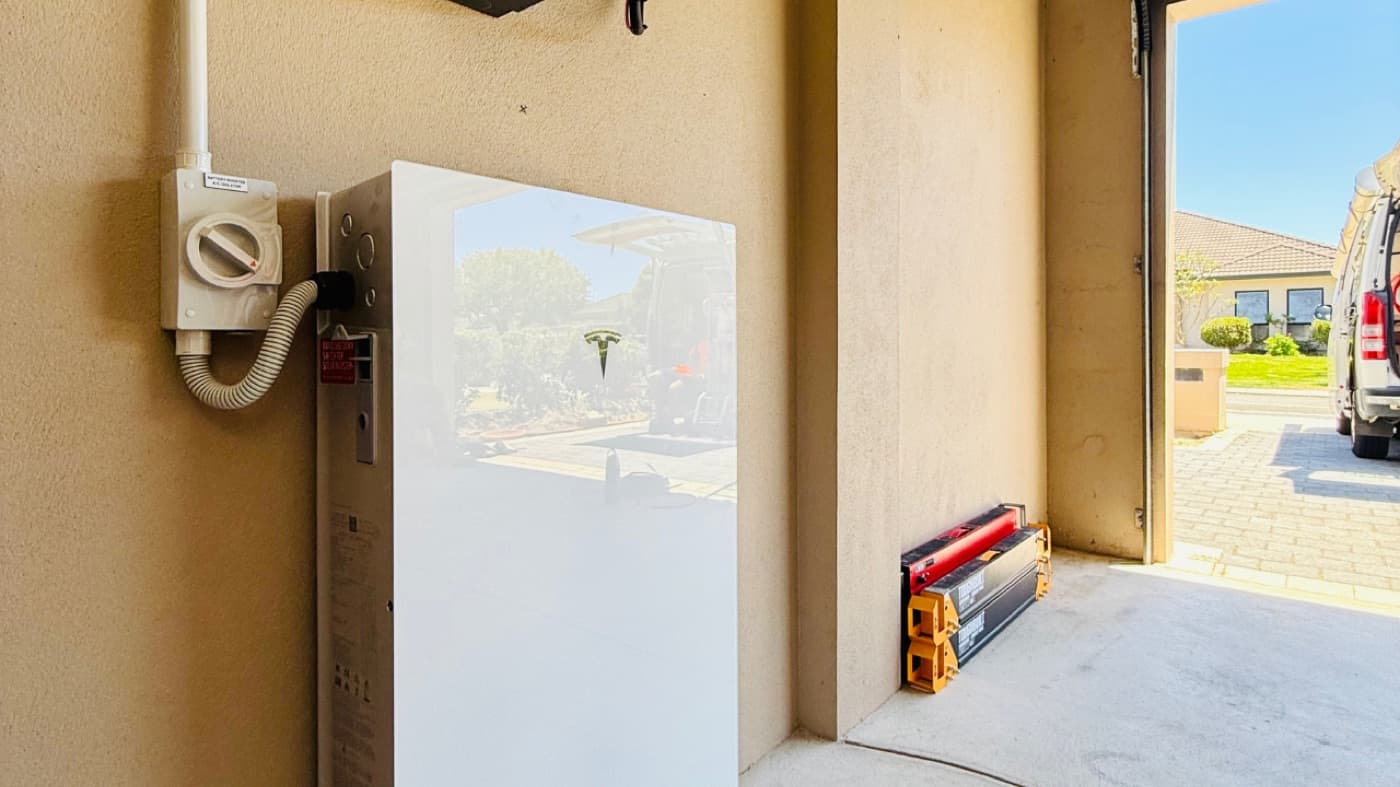
From 1 March 2026, a solar battery installation seeking small-scale technology certificates needs photographic evidence of its critical labelling. The Clean Energy Regulator requires accredited installers to capture clear, geotagged and time-stamped photographs of that labelling on every installation claimed under the Small-scale Renewable Energy Scheme.
The practical weight of the change lands at the end of the job. Labelling should be completed and checked before the installer leaves the site. Failure to provide the required evidence can delay or prevent an STC claim.
Labelling photographs
The Clean Energy Regulator requires photographs showing:
- the outside of each meter box, including critical labelling
- each switchboard and inside cover, including critical labelling and shutdown procedures
- the front and sides of the solar battery, including critical labelling
Worked examples appear in the regulator's solar battery photo guide (opens in a new tab). The guide sits alongside the current Australian Standards and the electrical safety requirements for the installation jurisdiction.
Attendance evidence
The labelling photographs sit on top of the existing installer on-site verification evidence, not in place of it. Installers must retain geotagged and time-stamped evidence at four stages: job setup, mid-installation, testing and commissioning, and final completion aligned with the test date on the electrical compliance certificate.
Where solar PV and a battery are installed at the same time, each system needs its own on-site verification photographs.
Serial numbers carry their own requirement. Photographs of battery and new inverter serial numbers must correspond with the information entered in the REC Registry, and where a listed battery model contains individual modules, evidence may be needed for the main unit and each module.
- 1Front and sidesShow the battery in context with the required critical labelling.
- 2Critical labellingKeep labels clear and legible in geotagged, time-stamped photographs.
- 3Serial numbersMatch the REC Registry record; include main-unit and module evidence where required.
Generic enclosure illustration only. Callouts identify evidence categories, not the physical position of any label or a specific product design. Meter-box, switchboard and installer-attendance photographs remain separate requirements.
Data table
| Element | Description |
|---|---|
| Front and sides | Show the battery in context with the required critical labelling. |
| Critical labelling | Keep labels clear and legible in geotagged, time-stamped photographs. |
| Serial numbers | Match the REC Registry record; include main-unit and module evidence where required. |
Evidence on site
Labelling should be completed and checked before the installer leaves. A later return to recreate attendance evidence is not permitted.
Before departure, a practical check should confirm:
- location and time metadata are present
- labels are legible and visible in context
- meter-box, switchboard and battery photographs cover every required location
- serial numbers match the registry information
- installation-stage photographs match the compliance paperwork
Primary references
- Solar battery installer and designer requirements (opens in a new tab)
- New solar battery photo requirements now in place (opens in a new tab)
- WA solar and battery compliance centre
Requirements can change. Installers, retailers and registered agents should check current Clean Energy Regulator and Solar Accreditation Australia instructions before relying on an existing workflow.