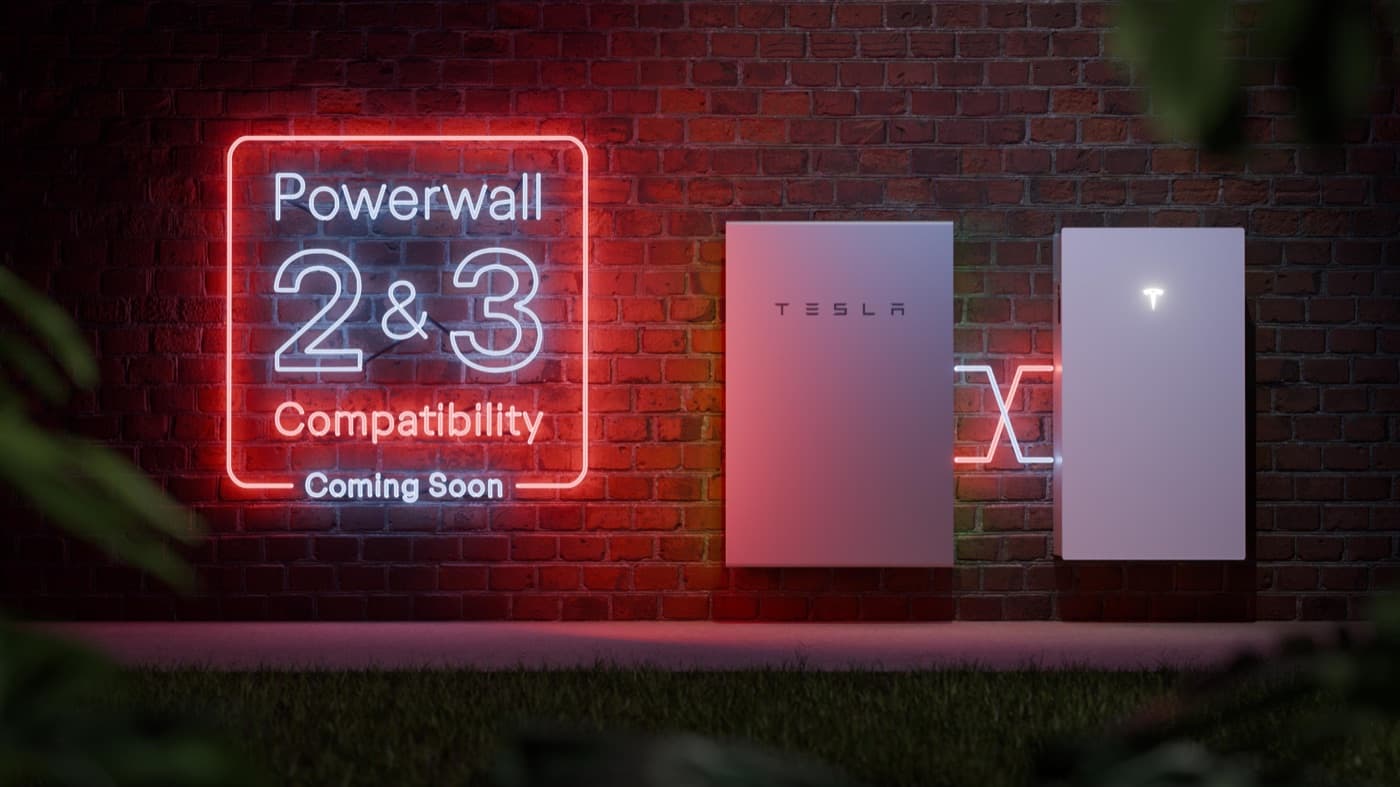
Tesla notified Australian and New Zealand channel partners that Powerwall 3 additions to existing Powerwall 2 systems had moved from pilot status to an official firmware release. The release formalised the documented compatibility pathway and added commissioning documentation.
Firmware release status
Tesla stated in the July notice that the official firmware was rolling out in its initial stages and would become standard at commissioning from mid-August. Installations could continue under the pilot firmware until then, so the two arrangements ran in parallel through the transition rather than switching over on a single date. That transition period has ended.
The required version stated in the notice was 26.26, and Tesla directs installers to update to the latest version during commissioning.
Alongside the notice, Tesla published the application note Installing Powerwall 3 in an Existing Powerwall 2 System to the Partner Portal as an initial release, together with commissioning guidelines and installation manuals. Until now the pathway was supported without a dedicated application note, which is the practical difference for anyone quoting or commissioning this work.
Supported configuration
Tesla's stated maximum for a mixed system is unchanged:
| Equipment | Maximum supported quantity |
|---|---|
| Powerwall 2 | 4 |
| Powerwall 3 | 1 |
| Powerwall 3 Expansion | 3 |
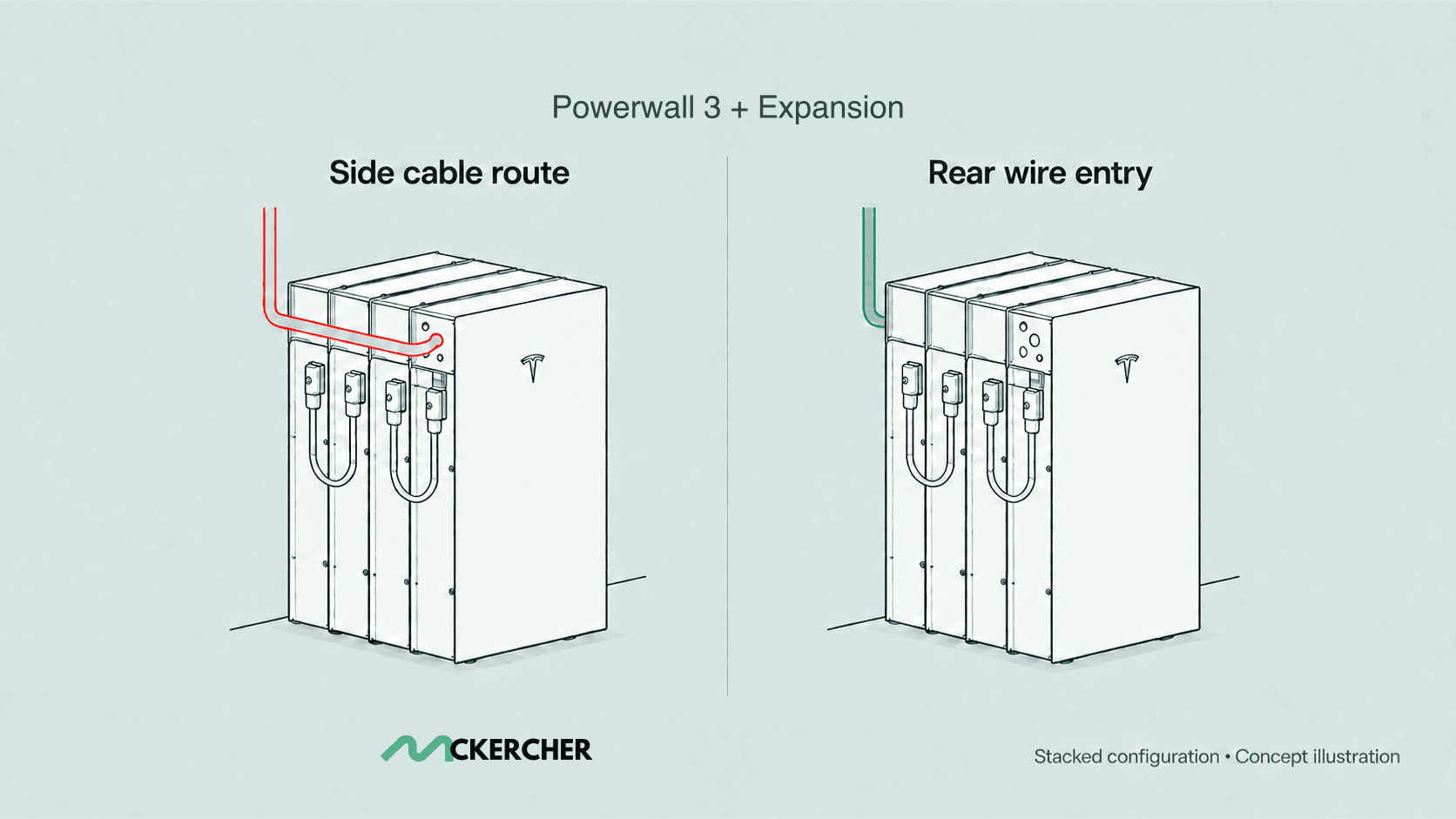
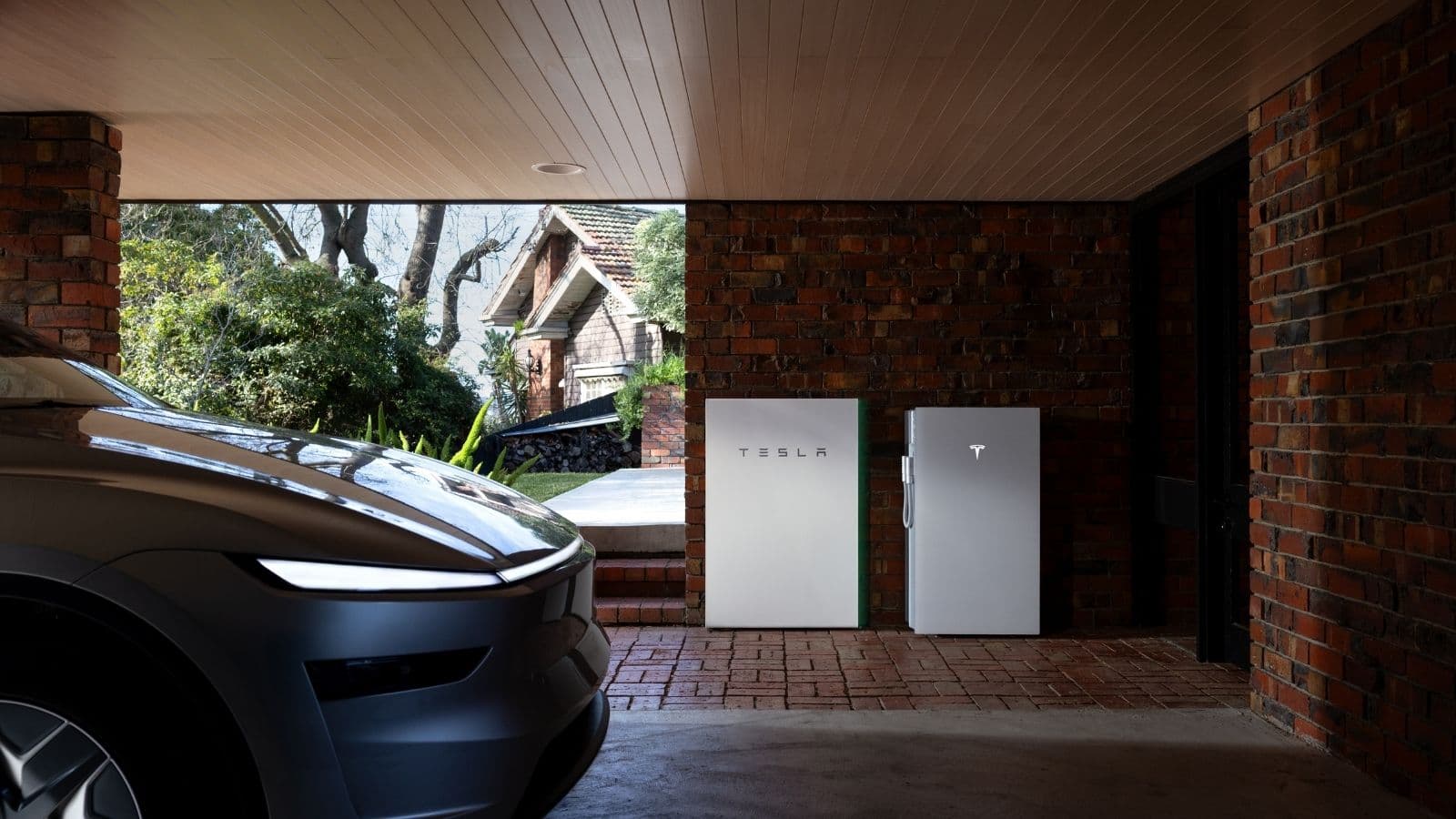
Powerwall 2, Powerwall 3 and Powerwall 3 expansion units operate together in a single system, and compatibility is delivered through firmware rather than a hardware retrofit.
Existing product approval
Tesla states that existing Powerwall 2 installations remain compliant even where their product listings have expired, and that only newly installed Powerwall 3 and expansion units need to meet current certification requirements. That is Tesla's position on its own product, and it removes what would otherwise be the first objection raised against upgrading an older installation.
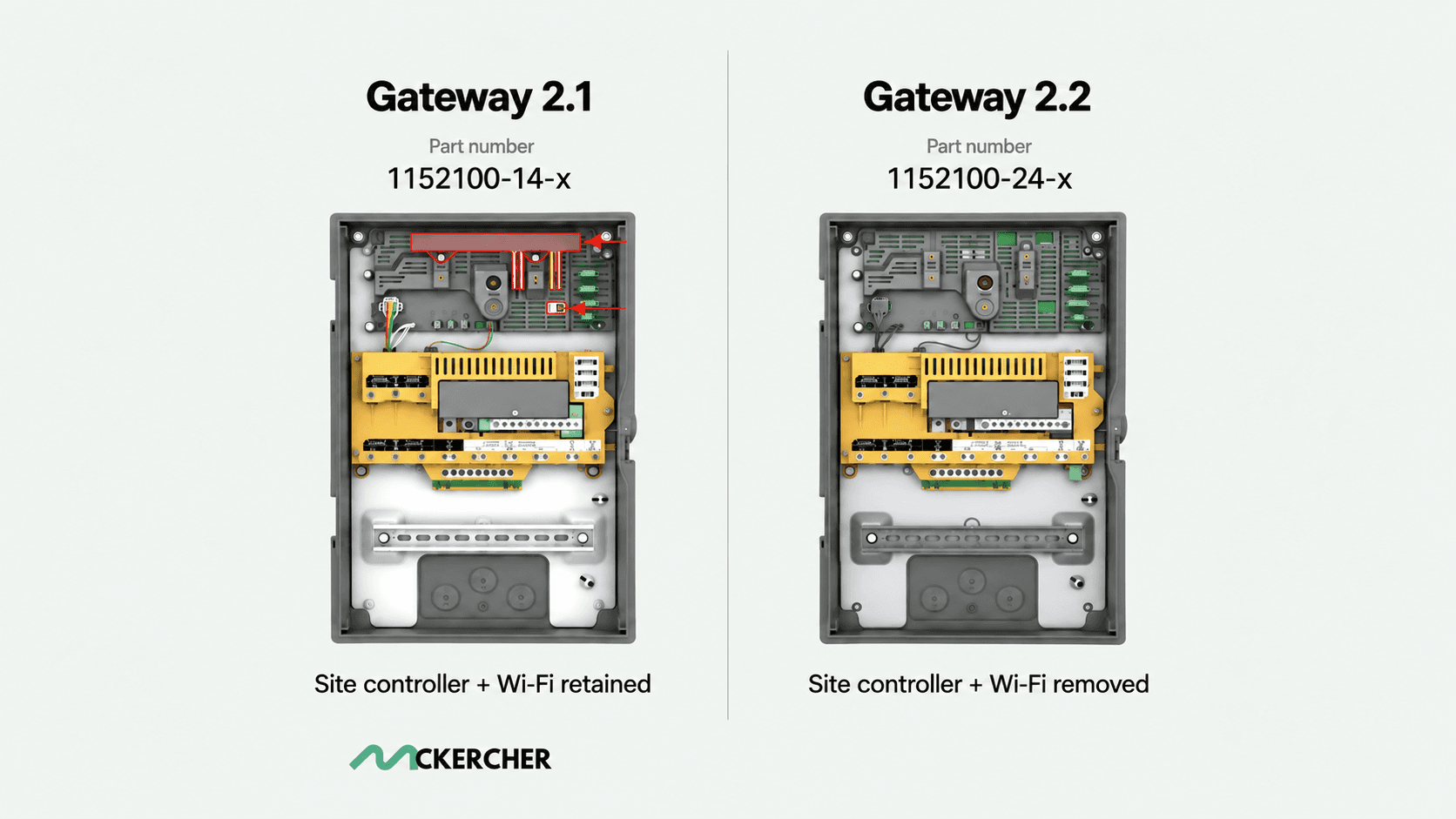
It does not remove the site assessment. Gateway generation, metering, phase arrangement, existing firmware and electrical condition all still determine whether a given property can take the upgrade, and Gateway 1 and Neurio metering remain unsupported for this configuration. The full set of conditions, including the 5 kW Powerwall 3 output limit that applies on three-phase sites under this pathway, is set out in Powerwall 3 compatibility with existing Powerwall 2 systems.
Group certification
PSW Energy and Perth Solar Warehouse hold Tesla Certified Installer status, and Tesla requires this work to be completed by a certified installer.
Three points carry into customer conversations:
- Existing Powerwall 2 owners now have a documented upgrade path. A customer wanting more stored energy or longer backup can add capacity to the system they already own rather than replace it.
- The changeover affected commissioning, not sales. The parallel pilot period described in the July notice has ended, so the timing question is now the commissioning team confirming the current firmware requirement rather than anything that belongs in the quote.
- Capacity should still be sized to the site. The 4/1/3 maximum is a supported limit, not a recommended design. Consumption, generation, backup loads and connection limits set the appropriate size.
Tesla has also released a marketing toolkit for engaging existing Powerwall 2 customers through the Partner Portal. Tesla requires marketing approvals to go through its energy products marketing team before any material is used.
Sources
- Tesla Channel Partners AU/NZ, "Backwards Compatibility Is Now Available," received 28 July 2026
- Tesla Partner Portal document change notification, Powerwall Application Note: Installing Powerwall 3 in an Existing Powerwall 2 System, version 1.0, 28 July 2026
- Tesla Australia: Powerwall 3 compatibility with Powerwall 2 (opens in a new tab)