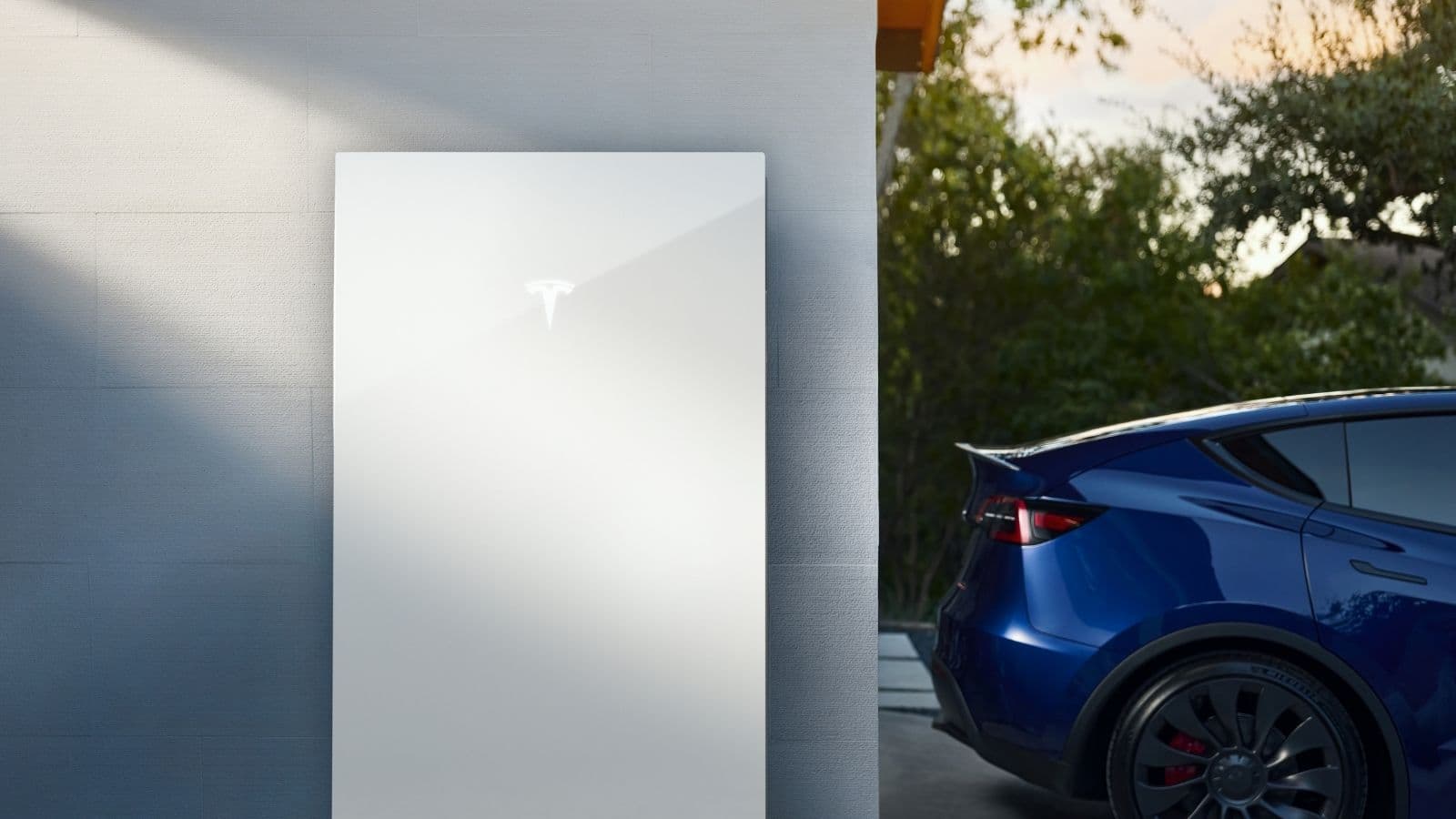
Tesla's September AU/NZ Certified Installer Newsletter, received on 2 October 2026, highlights a rear wire entry option for stacked Powerwall 3 and Expansion installations. Instead of bringing the supply wiring around the side of the stack, installers can route it through the rear of the enclosures for a cleaner finish.
The newsletter points installers to the Powerwall 3 and Powerwall 3AC installation manuals. Its link opens the Australian Powerwall 3 manual with Backup Gateway 2. The revision history (opens in a new tab) records the rear-entry section as an addition in revision 1.13, dated 25 September 2026.
Plan the route before mounting
The Australian rear wire entry procedure (opens in a new tab) covers preparing the rear openings, protecting cable edges with rubber grommets, and providing strain relief with an M32 gland at the Powerwall interface. Alignment matters: the units must be level so the wiring can pass through the stack.
There is a detail to resolve before preparing the enclosure. The tool list specifies a 35 mm hole saw, while the drilling step specifies a 36 mm opening. Those values have not been reconciled in this bulletin. Confirm the required opening and compatible fitting with Tesla using the current manual and the actual equipment before drilling.
Concealed wiring does not change the harness rules
Rear entry concerns the wiring route into the Powerwall enclosure. It does not authorise a different connection method between batteries.
Tesla's Expansion guidance (opens in a new tab) requires the dedicated Expansion harness. Field wiring of an Expansion unit, splicing or otherwise altering that harness, and passing it through a wall or partition are prohibited. A concealed supply route should not be confused with permission to conceal or modify the inter-unit harness.
The stacked installation procedure (opens in a new tab) also retains the ground-mounted configuration and places Powerwall 3 at the front. Site footprint, ground slope, bracket height, levelling and the prescribed shutdown sequence remain part of the installation work.
Before the next stacked job
For PSW Energy and Perth Solar Warehouse technicians, the practical value is in planning the cable route while preparing the job, rather than discovering the option after the stack is mounted. Keep a copy or record of the manual revision used and refer unresolved product details to Tesla before proceeding.
This bulletin is a planning reference for qualified installers. Tesla's current instructions for the actual system govern the work, including isolation, mounting, electrical connections and commissioning.
Sources reviewed 3 October 2026: Tesla Australia, AUNZ Certified Installer Newsletter: September (received 2 October); the linked Australian rear-entry, Expansion, stacked-installation and revision-history pages. The newsletter mentions Powerwall 3AC, but its rear-entry link resolves to the Powerwall 3 manual; a separate 3AC installation procedure has not been independently verified here.