The Clean Energy Regulator has published its compliance and enforcement update for the April to June 2026 quarter. Three outcomes in it bear directly on how registered agents, retailers and accredited installers document a job.
Enforcement outcomes
Twenty-one companies permanently suspended. The CER suspended 21 companies from the Small-scale Renewable Energy Scheme on fit-and-proper-person grounds. The stated reason is administrative rather than conduct-based: the companies had been deregistered by ASIC and are therefore no longer legal persons able to participate in the scheme.
One named suspension on capability grounds. Asun Solar Pty Ltd was separately suspended after the regulator determined it was no longer satisfied the company was a fit and proper person, citing non-compliance with a statutory notice and insufficient capability.
A retailer facing a three-year bar. The CER issued a notice of intention to declare an unnamed retailer ineligible to issue solar retailer written statements, following findings of repeated and material non-compliance. The specific conduct was declaring PV systems complete and capable of generating electricity when they were not. If the declaration proceeds, the retailer cannot support STC creation for up to three years.
Verification photographs
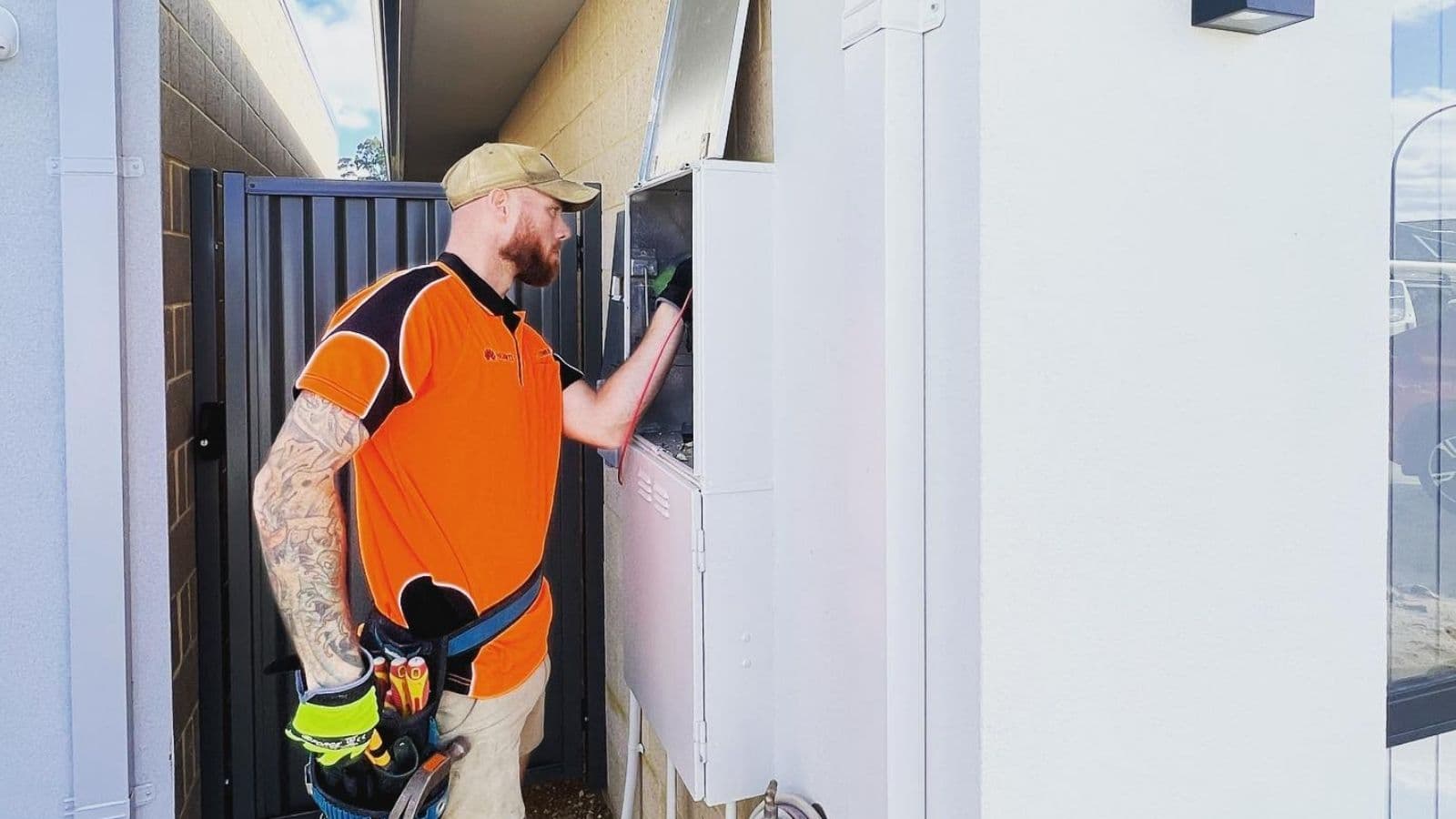
The more consequential item for day-to-day work is the regulator's finding on installer onsite verification photos. The CER identified cases where the IOV selfie did not accurately represent the accredited installer recorded against the installation.
The regulator set out the obligation separately for each party in the chain, in guidance published on 29 June:
The CER states it has zero tolerance for participants seeking to benefit from false or misleading information, and that consequences fall on the installer, the retailer and the agent, not only the person in the photograph. Available action includes removal from the scheme and civil or criminal penalties.
Photo monitoring is not manual-only. The battery labelling photo requirement that commenced on 1 March 2026, covered previously in New Photographic Evidence Rules for Solar Batteries, is now supported by an AI-assisted image analysis tool that flags missing labels and metadata problems. CER officers retain the final compliance decision.
- 1Accredited installerPhotograph the accredited installer who attended; records must reflect the site work.
- 2RetailerVerify who attended and oversee photo collection and submission.
- 3Registered agentIndependently verify identity and demonstrate attendance due diligence.
Conceptual responsibility map, not a complete claim procedure. Each party retains its own verification obligations; passing a record onward does not transfer that duty. Read the current CER guidance for the claim being made.
Data table
| Element | Description |
|---|---|
| Accredited installer | Photograph the accredited installer who attended; records must reflect the site work. |
| Retailer | Verify who attended and oversee photo collection and submission. |
| Registered agent | Independently verify identity and demonstrate attendance due diligence. |
| Accredited installer → Retailer | Evidence record |
| Retailer → Registered agent | Independent verification |
Shared evidence obligations
PSW Energy and Perth Solar Warehouse submit STC claims as an Approved Seller, so all three sets of obligations above apply across the group rather than resting with the installer alone.
Two practical points follow from this update:
- The selfie is an identity record, not a formality. If the accredited installer named on the claim is not the person who attended, the evidence is false regardless of whether the installation itself was sound. Where a job changes hands between accredited installers, the recorded accreditation needs to change with it before the claim is submitted.
- "Complete and capable of generating electricity" is the tested threshold. The proposed action concerns false or misleading declarations about incomplete systems. A system should not be declared eligible until it is complete and capable of generating electricity.
Sources: Clean Energy Regulator compliance update, April to June 2026 (opens in a new tab); Clean Energy Regulator, "Installer onsite verification photo monitoring is in place," 29 June 2026 (opens in a new tab).
Current-status note
This bulletin was reviewed on 9 August 2026. The final outcome of the proposed retailer action was not established from the sources retained in this record. Confirm participant status, evidence rules and enforcement guidance directly with the Clean Energy Regulator (opens in a new tab) before relying on this article for a claim. Further operational context appears in the WA solar and battery compliance centre and the editorial standards.