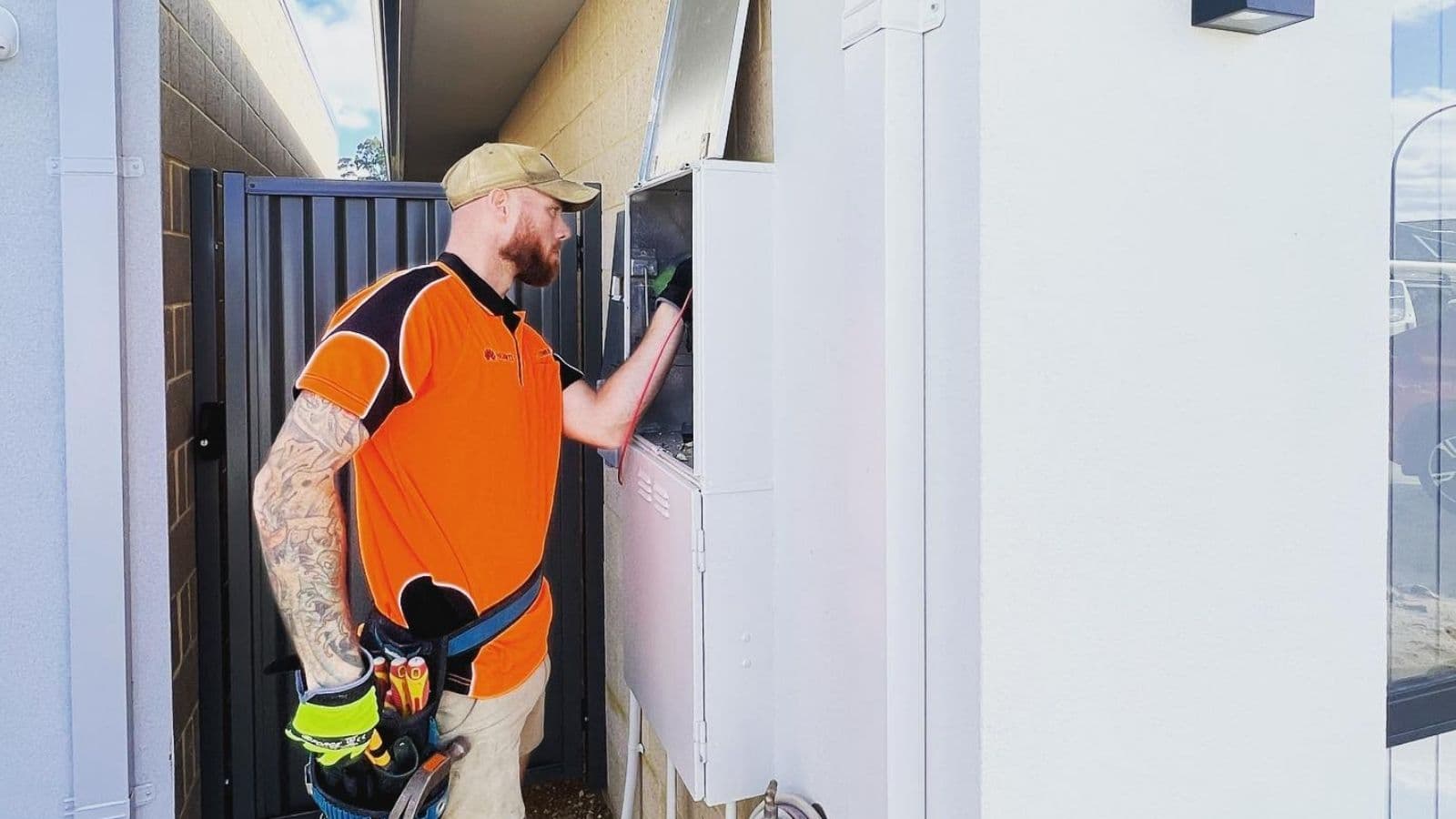
An electrician booked to install lights or power points may also need to assess an existing battery's effect on isolation and testing.
ECA WA’s 4 September 2026 Electrical Insider reports more enquiries about battery installation and testing, including from electricians attending homes for unrelated work such as lights, power points or EV chargers.
Identifying stored energy
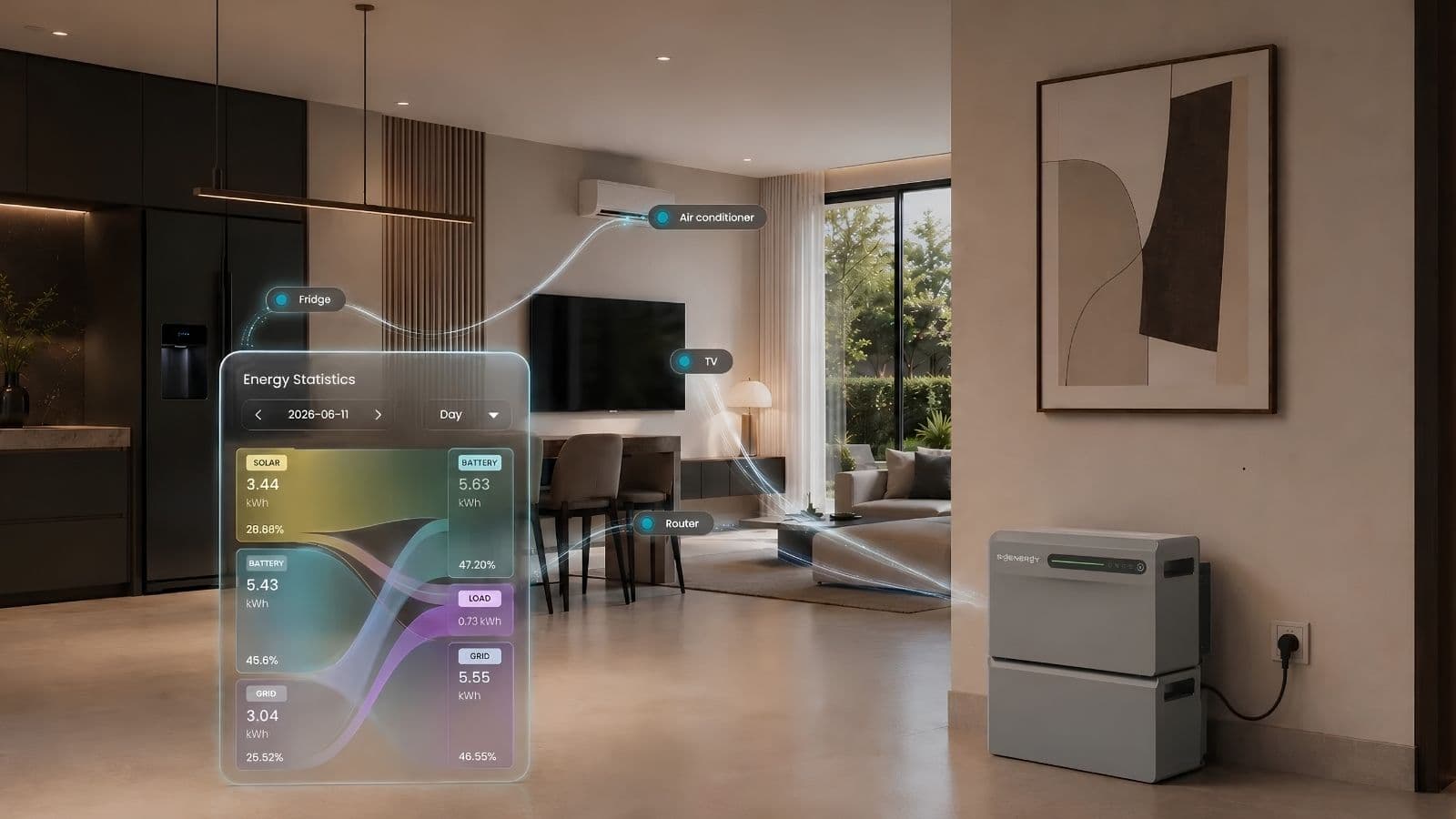
ECA WA notes that batteries can be harder to identify and isolate than generators or grid-connected solar.
Battery configurations vary between homes, and stored energy remains available independently of the network or sunlight. The isolation procedure used at another property may not apply.
The association identifies three checks:
- Identify the installation type. Review all labelling, system diagrams and any available documentation to understand the system configuration before touching anything.
- Confirm where the circuit being worked on sits. Client requirements and battery configurations both vary, and that variation affects isolation procedures and testing requirements.
- Establish what testing the work triggers. Requirements differ depending on what has been installed or modified and where the work was carried out.
ECA WA points to Section 8 of AS/NZS 4777.1:2024 for the testing requirements that apply to battery energy storage systems.
Alterations and testing
Testing obligations depend on the alteration, even when the booked work appears minor.
AS/NZS 3000:2018 clause 2.6.3.2.5 requires additional protection by residual current devices to be provided in an existing electrical installation where an alteration or a switchboard replacement is completed. Where circuits have been altered so they can be supplied by a battery in backup mode, those circuits need suitable RCD protection.
AS/NZS 4777.1:2024 clause 5.3.6.4 requires the RCD type specified in the inverter manufacturer’s instructions or on its label.
Regulator guidance states that an existing Type AC device may remain only if tested and verified under AS/NZS 3000:2018 clause 8.3.10 and consistent with the manufacturer’s specification. Type AC RCDs must not be newly installed, including as a like-for-like replacement.
Account for any additional testing or protection work when assessing and quoting the job.
WA enforcement record
In June 2026 the Perth Magistrates Court fined an electrical contractor $20,000 and an electrical worker $5,000, $25,000 combined, over a Maylands battery installation wired so it could feed electricity back to the network during an outage. Building and Energy classes that as a dangerous defect for a specific reason: a worker attending equipment they have every reason to believe is de-energised can receive a shock from it. The full record of that matter is set out in the back-feed prosecution bulletin.
An electrician attending later may face the same supply hazard without the original commissioning records.
A growing installed base
ECA WA links the rise in enquiries to growing battery ownership. More electricians will encounter systems they did not install.
Good labelling and documentation help the next electrician identify the system. The CER inspection findings also identify labelling as the largest source of findings in the reported battery cohort.
Checks before work
- Treat an unfamiliar battery as an unidentified supply until the labelling, diagram and documentation say otherwise. Read before isolating.
- Ask what the alteration triggers before quoting it, not after completing it. RCD obligations attach to the alteration.
- Where the work touches circuits that can run in backup mode, the testing sequence is the one set out in the WA battery safety and compliance guidance and the hybrid inverter testing note, not a standard grid-connected commissioning sequence.
Current-status note
This bulletin records guidance published by ECA WA on 4 September 2026 and the standards clauses referenced in it. It does not replace current standards, manufacturer instructions, regulator guidance or the controlled work procedures that apply to a specific installation. Where any of those differ from this summary, they take priority.
Primary references
- Electrical Contractors Association of Western Australia, Electrical Insider issue 28, "Battery systems and residential installation considerations", 4 September 2026.
- AS/NZS 4777.1:2024, Grid connection of energy systems via inverters, Part 1: Installation requirements, Section 8 and clause 5.3.6.4.
- AS/NZS 3000:2018, Electrical installations, clauses 2.6.3.2.5 and 8.3.10.