A draft published on 9 September 2026 proposes an E-Class simple cycle gas turbine as the reference technology for WA’s Peak and Flexible capacity prices. A longer storage-duration requirement and a change in emissions screening prompted the new comparison.
The Benchmark Reserve Capacity Price estimates the capacity revenue a notional new facility needs to recover its capital and fixed operating costs. Separate benchmarks apply to Peak and Flexible Capacity. They are pricing references, not forecasts of what will be built.
Seven-hour storage requirement
Under clause 4.16.11(b) of the Electricity System and Market Rules, the Coordinator must review the benchmark technologies within six months of a changed Electric Storage Resource Duration Requirement appearing in the Electricity Statement of Opportunities. In the 2026 statement that requirement moved from six hours to seven.
The previous benchmark was a 200 MW, six-hour battery. It does not meet the seven-hour requirement at full capacity. The draft finds that derating it to six sevenths of its capacity costs more per credited megawatt than a seven-hour battery.
The duration change triggered the review under the market rules.
Emissions screening
The review also removed the indicative emissions screening constraint used in 2025.
The WEM Investment Certainty Review proposed an indicative emissions intensity threshold of 0.55 tonnes of carbon dioxide equivalent per megawatt hour in 2023. When the 2025 benchmark review ran, the department expected that threshold to be implemented, and applied it as a constraint when screening candidate technologies. The effect was that only gas-only configurations reached the 2025 long list.
The draft reports no progress toward introducing the emissions limit and does not expect it within the relevant timeframe. It therefore omits the constraint, allowing several simple cycle gas turbine configurations, including E-Class turbines, onto the shortlist.
Working-group members disagreed. Some said omitting the threshold conflicted with the State Electricity Objective’s environmental limb; others supported it on cost and current-policy grounds. The draft retains the proposal.
Cost comparison
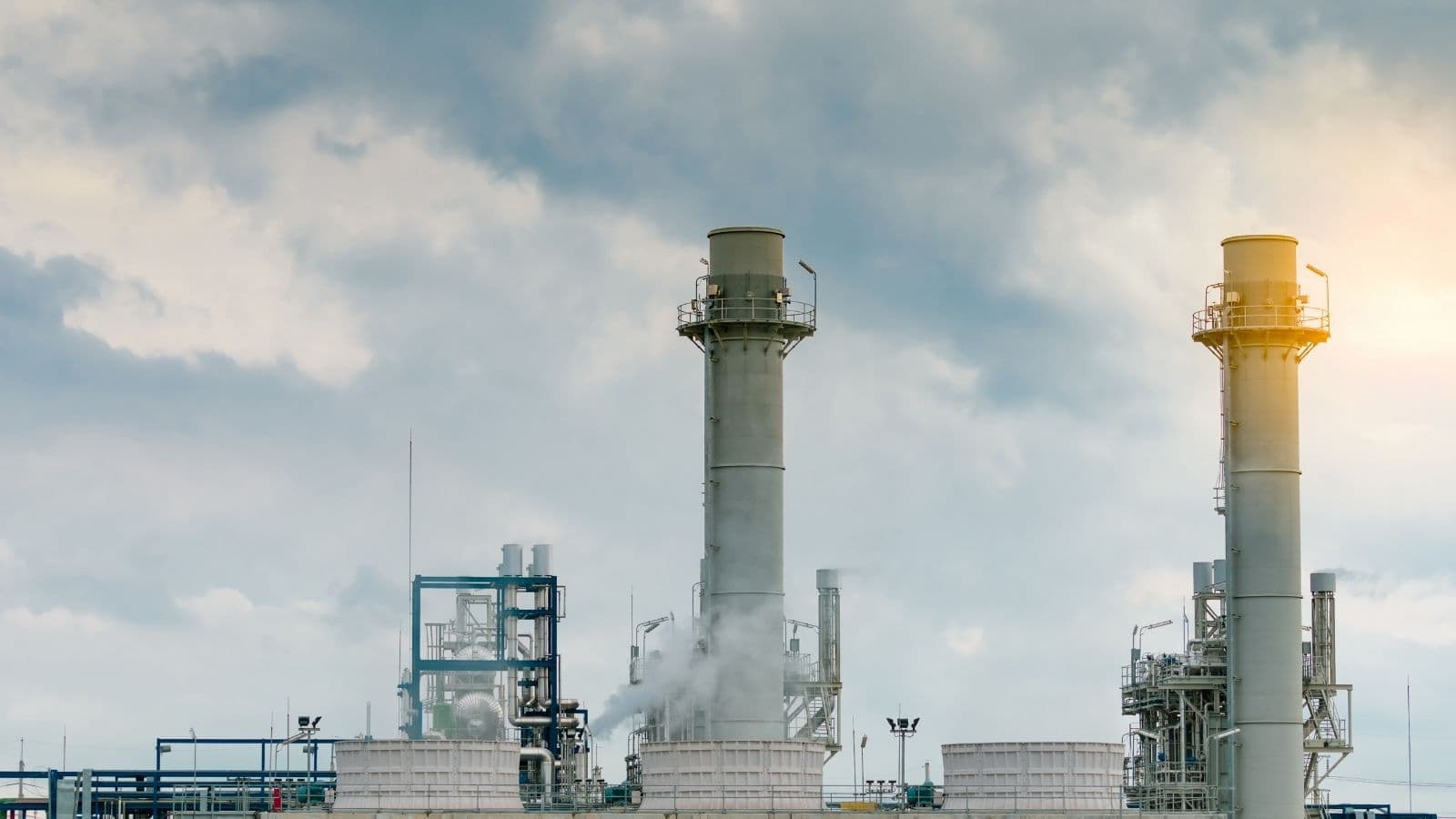
The proposed technology is an E-Class simple cycle gas turbine, certified for reserve capacity on distillate with a preference to run on gas when practical, connected at an unconstrained 330 kV node on Clean Energy Link North. The estimated annualised fixed capital and operating cost is $344,893 per megawatt, which the analysis puts 26 per cent below a seven-hour battery. Estimates for the GE and Siemens machines assessed are not materially different from each other.
| Proposal | Substance |
|---|---|
| A: benchmark technology | E-Class simple cycle gas turbine, certified on distillate with gas preferred, at an unconstrained node on Clean Energy Link North, for both the Peak and Flexible prices |
| B: cost of new entry | Gross cost of new entry retained rather than net |
The analysis uses a consistent 15-year amortisation period. For thermal plant, that is down from 25 years in the 2025 review, reflecting the draft’s financing assumptions.
Solar and wind were considered and set aside for a reason unrelated to cost. Both are recorded as not competitive because of the low allocation of capacity credits per megawatt of plant capacity, which is a statement about how the mechanism counts availability rather than about the economics of building either.
Gross entry costs
The second proposal retains gross cost of new entry rather than deducting expected market revenue. The draft expects little non-capacity revenue from the benchmark plant and argues that a net approach would add complexity and uncertainty.
Benchmark limits
The benchmark describes a notional facility meeting the review criteria. It neither requires gas construction nor prevents battery projects. Project lead times are excluded from the selection.
Actual projects still depend on their own costs, capacity credits, energy revenue and essential system services revenue.
Consultation deadline
Feedback goes to energymarkets@deed.wa.gov.au by 5:00pm Western Standard Time on Wednesday 7 October 2026. The consultation paper puts two questions to stakeholders on the benchmark technology proposal and a further set on the cost of new entry approach. Submissions are published on the Energy Policy WA website unless the sender requests otherwise, and late submissions may not be considered.
The draft, scope of work and configurations workbook (opens in a new tab) include the assumptions and calculations for the candidate technologies.